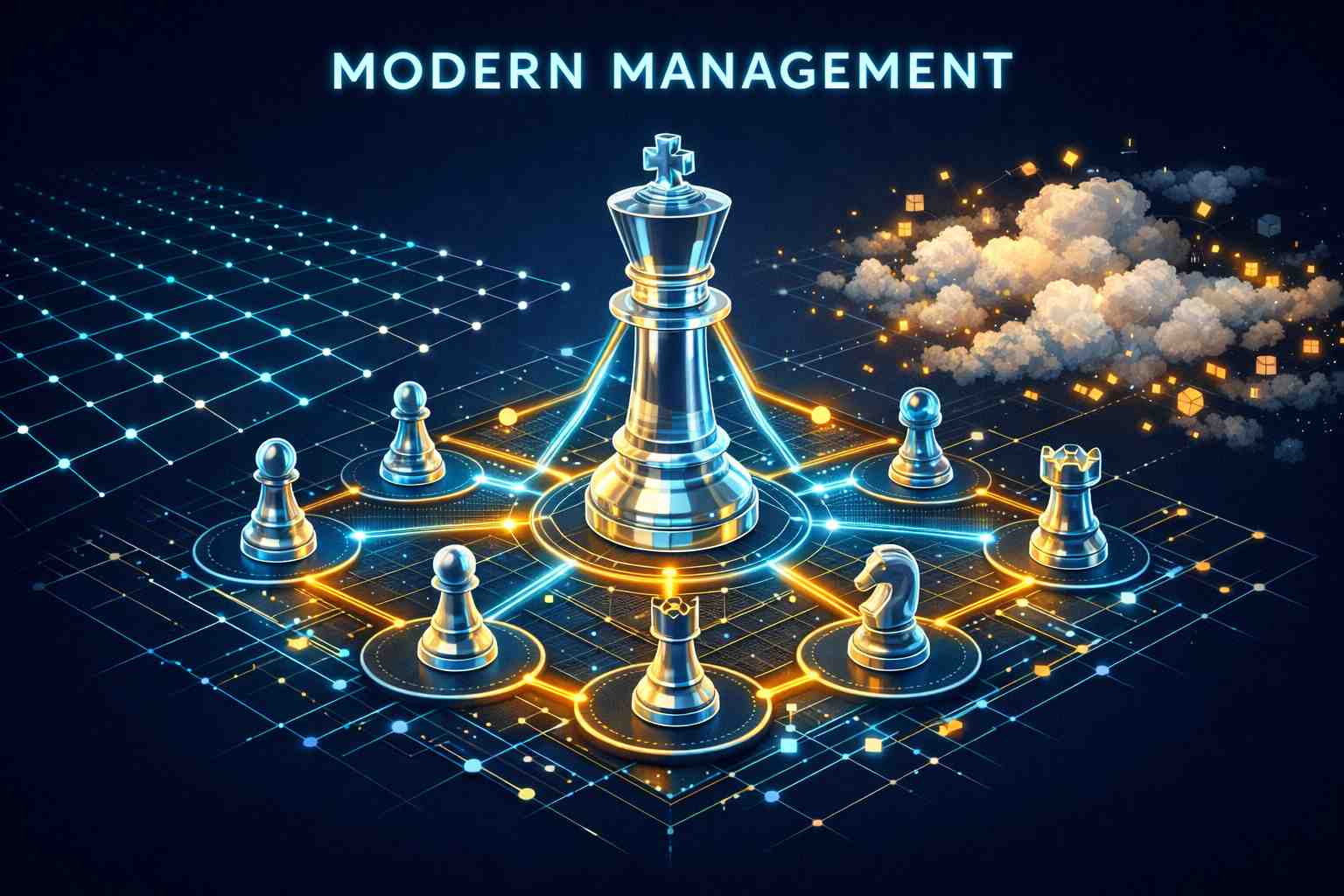
Some managers believe their role ends once they define high-level, holistic guidelines and hand them off to the team. From there, they focus exclusively on chasing the “next big idea,” assuming it is the team’s responsibility to figure out execution, tools, and adaptation.
In many cases, these managers also avoid keeping up with new technologies. They rely on outdated sales and marketing methods, dismiss modern tools, and underestimate the strategic value of innovation in execution.
This approach is not only flawed—it is actively damaging.
1. Strategy Without Technical Understanding Is Fragile
A manager does not need to be the most technical person on the team, but they must understand the fundamentals of the tasks they delegate. Without this baseline knowledge, it becomes impossible to:
- Assess feasibility and timelines realistically
- Identify skill gaps
- Design effective training and onboarding
- Evaluate performance beyond surface-level KPIs
Training and continuous education are not optional extras; they are core responsibilities of leadership. A manager who cannot guide learning cannot scale performance.
2. Constant “Big Ideas” Create Fatigue, Not Innovation
At first glance, constantly introducing new initiatives may look dynamic and forward-thinking. In reality, it often creates:
- Cognitive overload
- Initiative fatigue
- Reduced ownership
- Emotional detachment from projects
When teams are forced to pivot endlessly without time to stabilize, test, and optimize, they stop believing in initiatives altogether. In the worst cases, this pressure leads to burnout and eventually pushes top performers toward the exit door.
True innovation is not about volume—it is about focus, execution, and iteration.
3. Refusing New Methods Is a Leadership Failure
Sales and marketing evolve faster than ever. Tools, platforms, data models, and automation techniques are no longer “nice to have”—they are competitive necessities.
No sales or marketing manager is too busy to test new tools, pilot new methodologies, or learn emerging best practices.
The Bottom Line
Strong leadership in sales and marketing requires balance:
- Vision and execution
- Ideas and enablement
- Delegation and understanding
- Experience and continuous learning
Managers who stay close to technology, invest in their teams’ development, and prioritize sustainable execution don’t just produce better results—they build teams that trust leadership and stay engaged long term.
That is not micromanagement. That is modern management.